I don’t take hundreds of photos when I travel in Italy.
I used to. Camera roll full of the same shot taken twelve different ways. Trying to capture everything. Worried I’d forget.
But here’s what I learned after 30+ years:
The best memories aren’t in the camera roll.
They’re in the details I took time to notice—and the small ways I recorded them.
Let me show you what that looks like.
1. Photograph the Details, Not the Landmarks
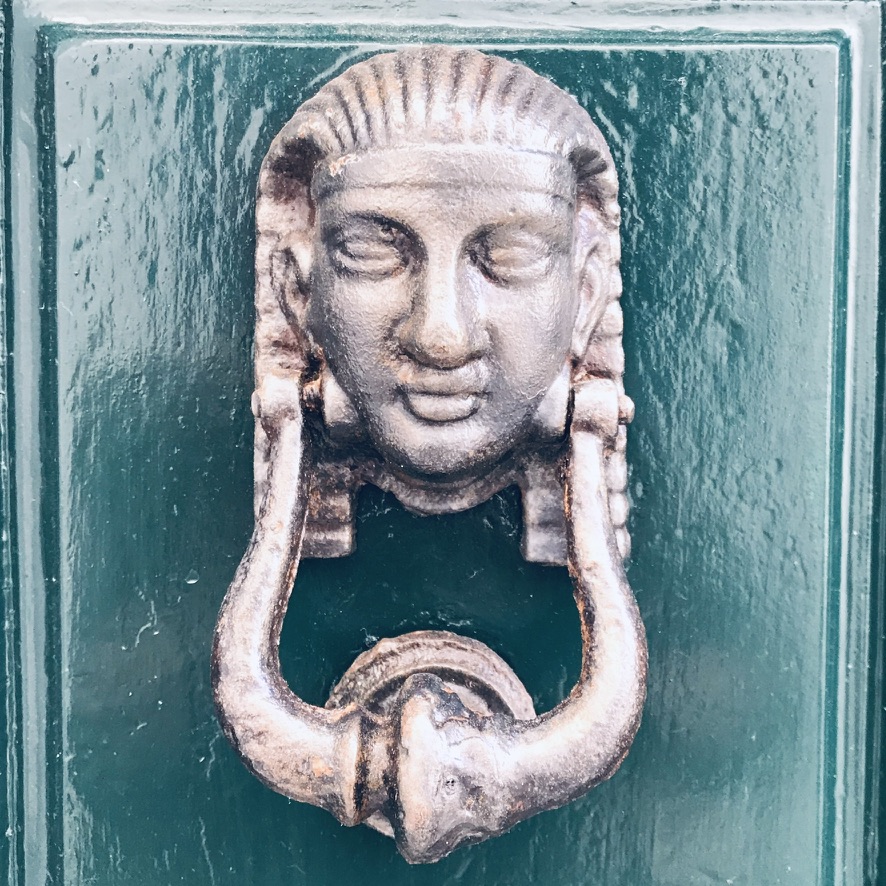
The door knocker.
The hand-painted tile.
The espresso cup.
The way the light hit the table at lunch.
These are YOUR memories. Not postcards.
One intentional photo per day beats 200 you’ll never look at.
I have a photo of a blue door in Orvieto from 1989. I can’t tell you what museum I visited that day. But I remember standing in front of that door, the smell of bread baking somewhere nearby, the quiet of the afternoon.
That door holds the whole day.
When you photograph details instead of landmarks, you’re capturing what made that moment yours. Not the Duomo everyone else photographed. The specific angle of light that caught your eye. The texture that made you stop and look.
Try this: Before you leave your accommodation each morning, decide on one detail you’ll photograph that day. Just one. Make it intentional.
2. Journal Digitally (But Keep It Simple)
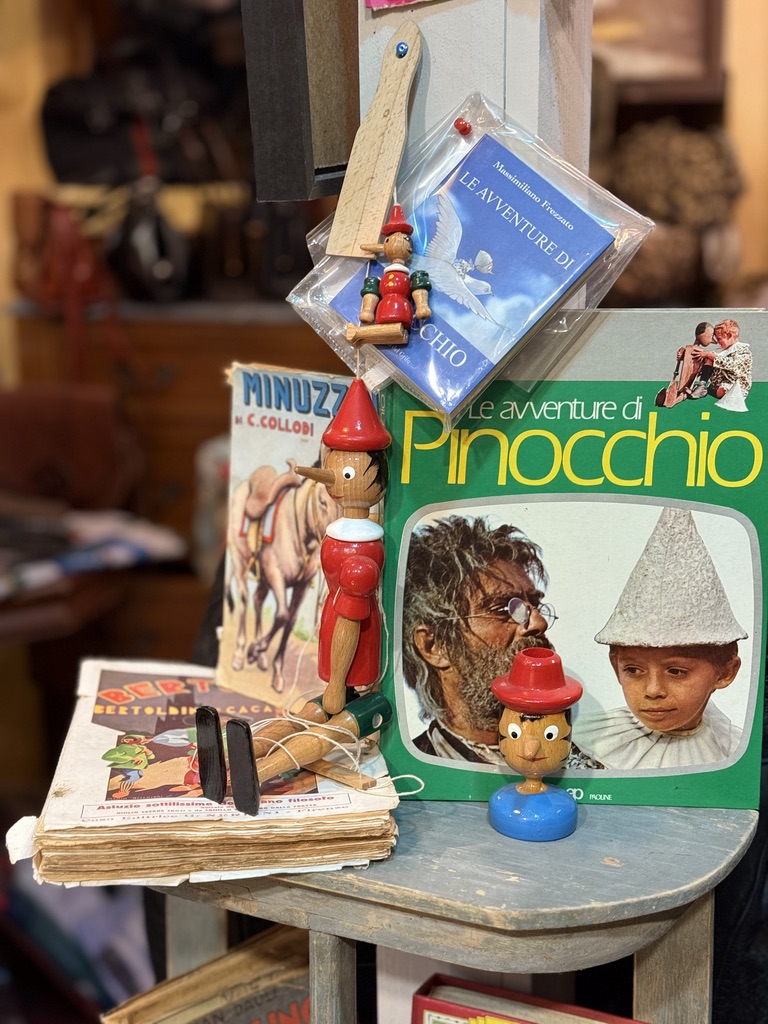
I use the Day One app. One photo. A few words.
Each entry has an image and a short reflection.
It takes 5 minutes. And months later, I can relive the whole day.
Visual + written = memory locked in.
You don’t need to write paragraphs. Just capture the feeling:
“Lucca. Morning light through shutters. Coffee at the corner bar. The owner remembered my name.”
That’s it. Fifteen words. But when I read it six months later, I’m right back there.
The combination of image and words creates something more powerful than either alone. The photo triggers the visual memory. The words bring back the feeling.
3. Record a Voice Memo
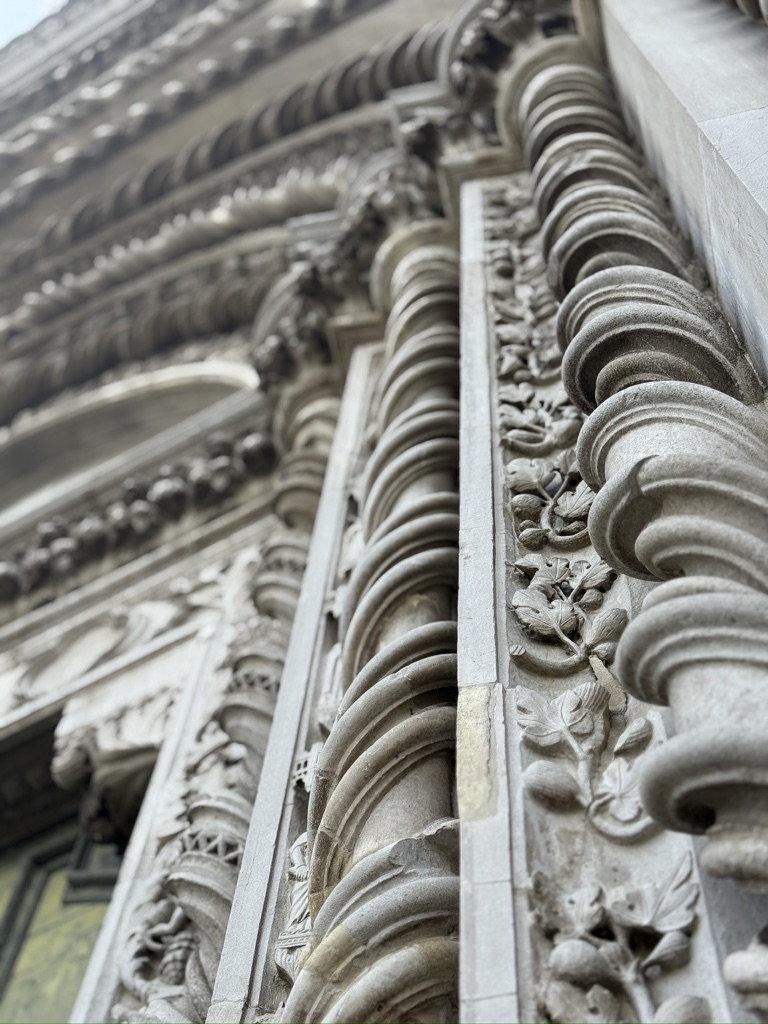
Describe what you’re seeing. What you’re hearing. What you’re feeling.
Your own voice, in that moment, is more powerful than any photo.
You’ll listen back and be right there again.
I started doing this after a trip to Puglia. I was standing in an olive grove at sunset, and I just pulled out my phone and talked for two minutes. Described the light. The smell of the earth. How quiet it was.
When I played it back months later, I could feel the warmth of that evening. I could hear the emotion in my voice—the gratitude, the presence.
You can’t capture that in a photo.
Try this: Once a day, record 60-90 seconds of you describing where you are and how you feel. Don’t overthink it. Just talk.
4. Collect Small Things
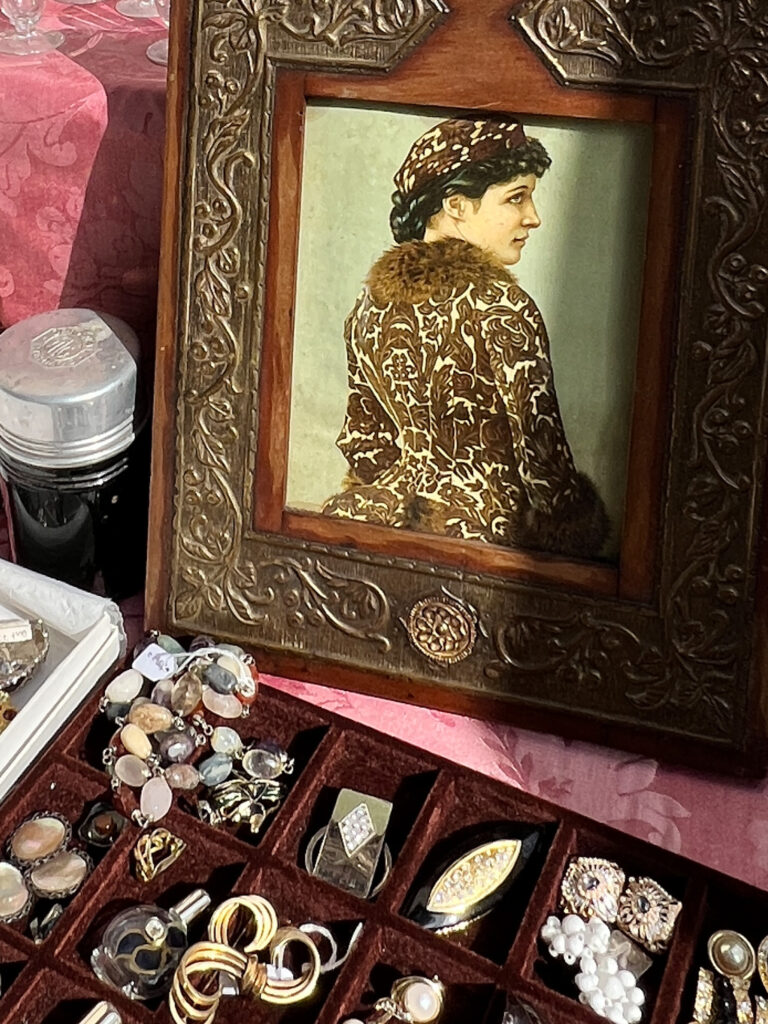
A ticket stub.
A napkin from the café.
A leaf from the garden.
The receipt from that lunch.
Tuck them in your journal or a small envelope.
These tiny artifacts hold more memory than you’d expect.
I have a napkin from a trattoria in Bologna. It has the restaurant’s name stamped on it in faded ink. When I look at it, I remember the pasta. The couple at the next table who insisted we try their wine. The way the waiter laughed when I tried to pronounce tortellini in brodo.
That napkin is worth more to me than a hundred photos of the meal.
Physical objects have weight. They take up space. And that makes them memorable in a way digital files aren’t.
5. Write a Postcard to Yourself
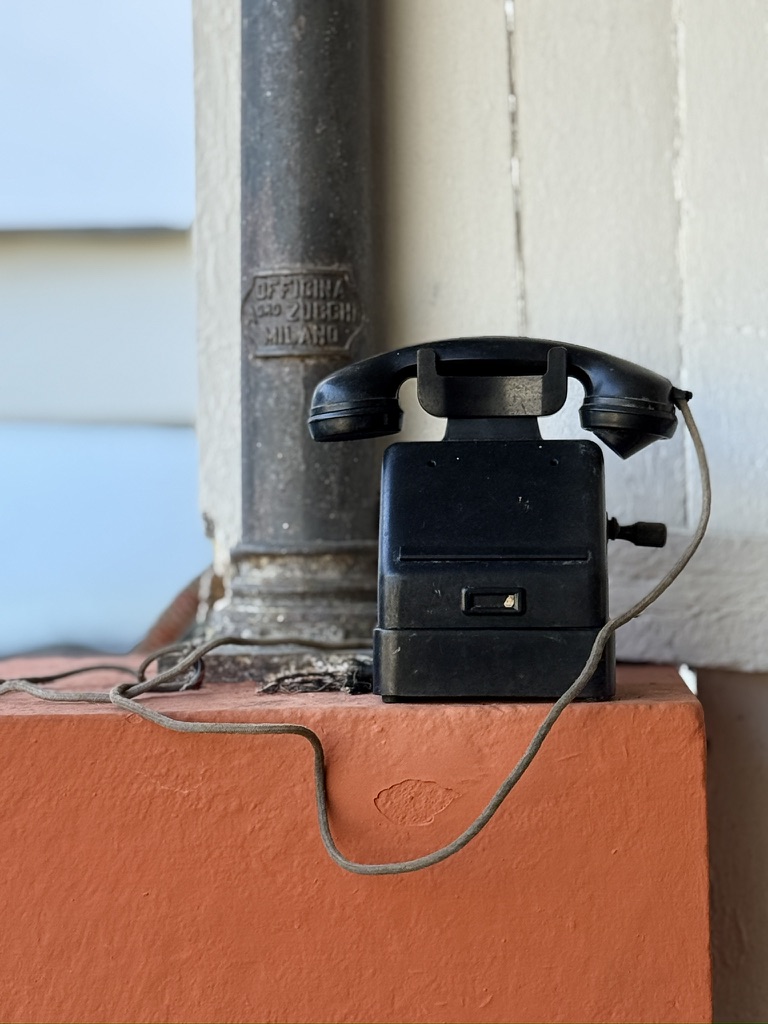
This one might sound strange, but trust me.
Describe where you are. What you’re thinking. What surprised you today.
Mail it home.
It arrives after you do—a gift from past you to future you.
I did this from Lucca once. The postcard arrived three weeks later. I’d forgotten I’d sent it. Reading my own words—written in that moment, in that place—brought it all back in a way scrolling through photos never could.
There’s something about your own handwriting. Your own voice. Captured in real time.
It’s like opening a time capsule from your trip.
What to write:
- Where you are right now
- One thing that surprised you today
- How you’re feeling
- One sensory detail (smell, sound, taste)
Keep it short. Keep it honest. Mail it.
6. Sketch Instead of Photograph
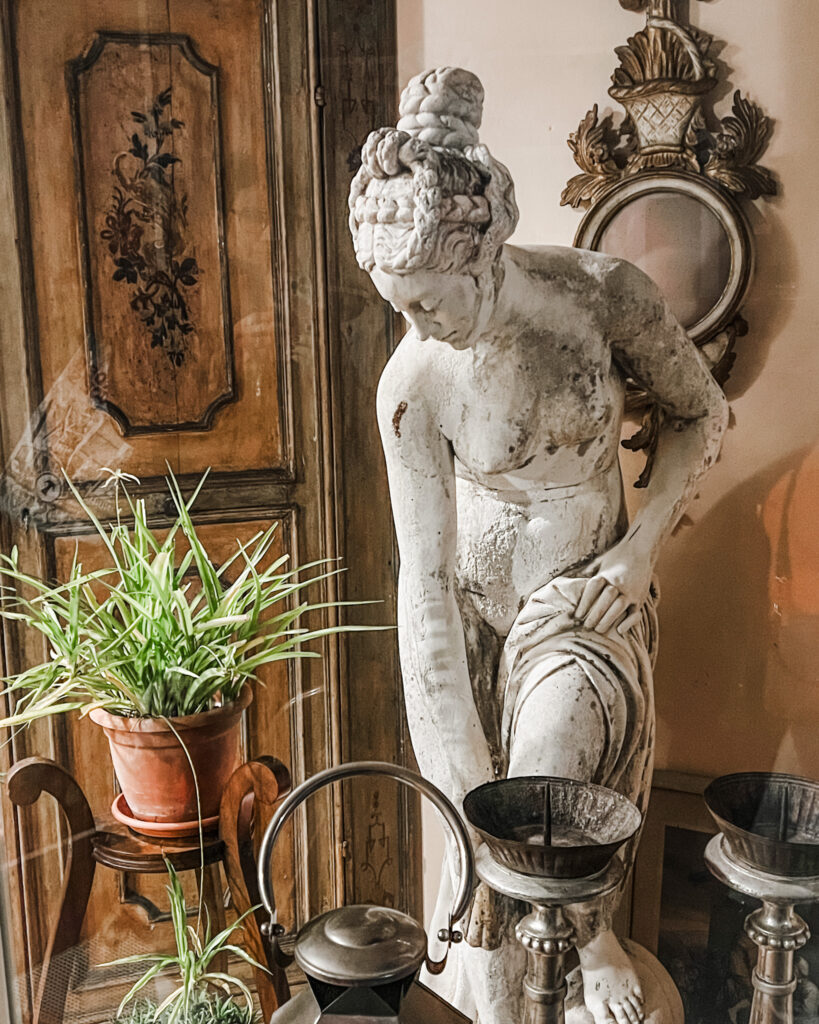
Even badly. Especially badly.
Drawing forces you to really look. To notice the shapes, the shadows, the details.
You don’t need talent. You need presence.
The sketch becomes the memory.
I’m not an artist. My sketches look like a child drew them. But when I sketch something—a doorway, a piazza, a coffee cup—I have to slow down. I have to observe. I have to pay attention to proportions, to light, to texture.
And that act of paying attention? That’s what creates the memory.
I have a terrible sketch of the Piazza dell’Anfiteatro in Lucca. It’s objectively bad. But I remember every minute I spent drawing it. The warmth of the sun. The sound of children playing. The way the buildings curved around the oval shape of the ancient amphitheater.
The sketch isn’t beautiful. But the memory is.
Try this: Bring a small notebook and a pen. Once during your trip, sit somewhere for 20 minutes and sketch what you see. Don’t judge it. Just draw.
7. Write Down One Conversation Per Day
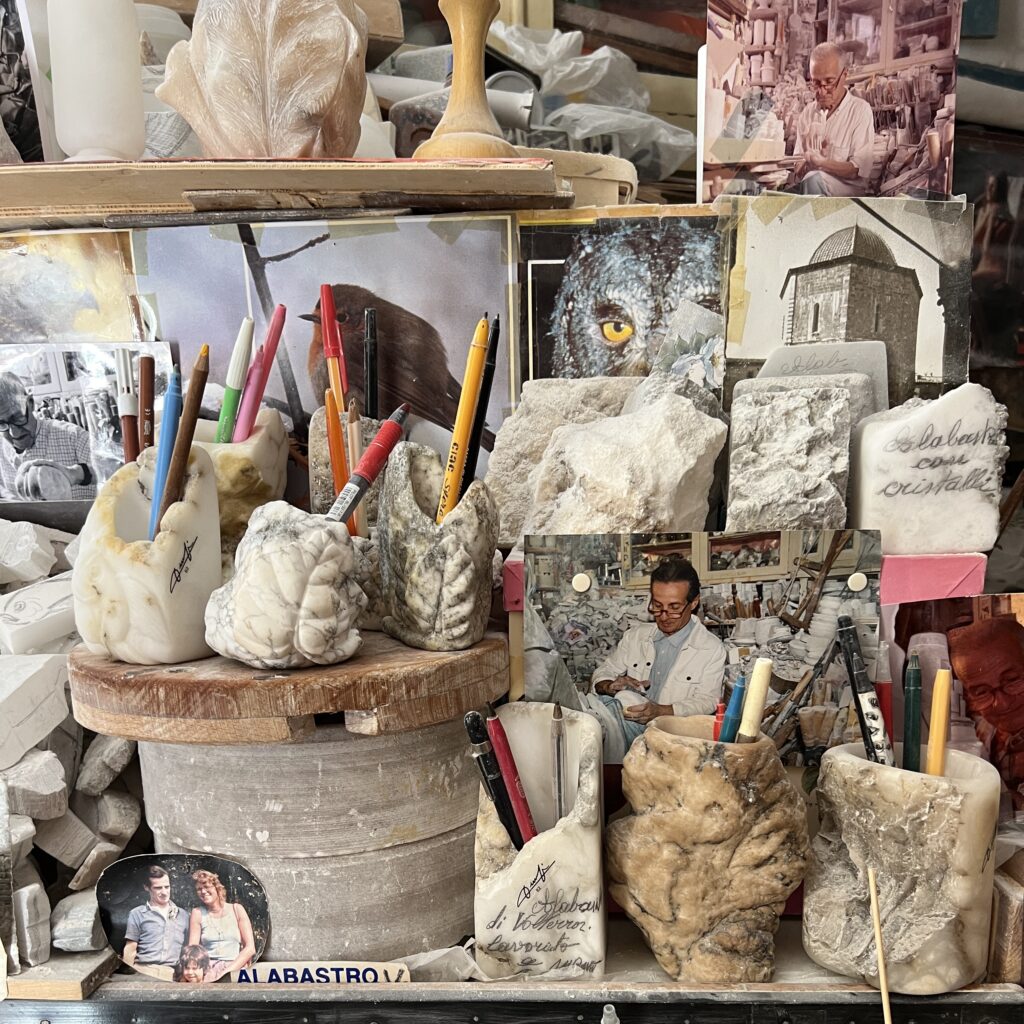
The waiter who told you about his grandmother’s recipe.
The woman at the market who picked the perfect melon for you.
The shopkeeper who shared the town’s history.
Capture their words before you forget them.
People are the story.
On my last trip to Volterra, I met an alabaster sculptor. He told me his family had been artisans in that town for four generations. He showed me his grandfather’s tools. He explained why Volterra is known for it’s precious alabaster, and how it’s become a canvas for so many local artisans .
I wrote down what he said that night. Just a few sentences. His exact words.
Now when I look at the piece I bought from him, I don’t just see a beautiful object. I see him. I hear his voice. I remember the pride in his eyes when he talked about his grandfather.
That’s what you’re capturing. Not just places. People.
8. Record the Ambient Sound
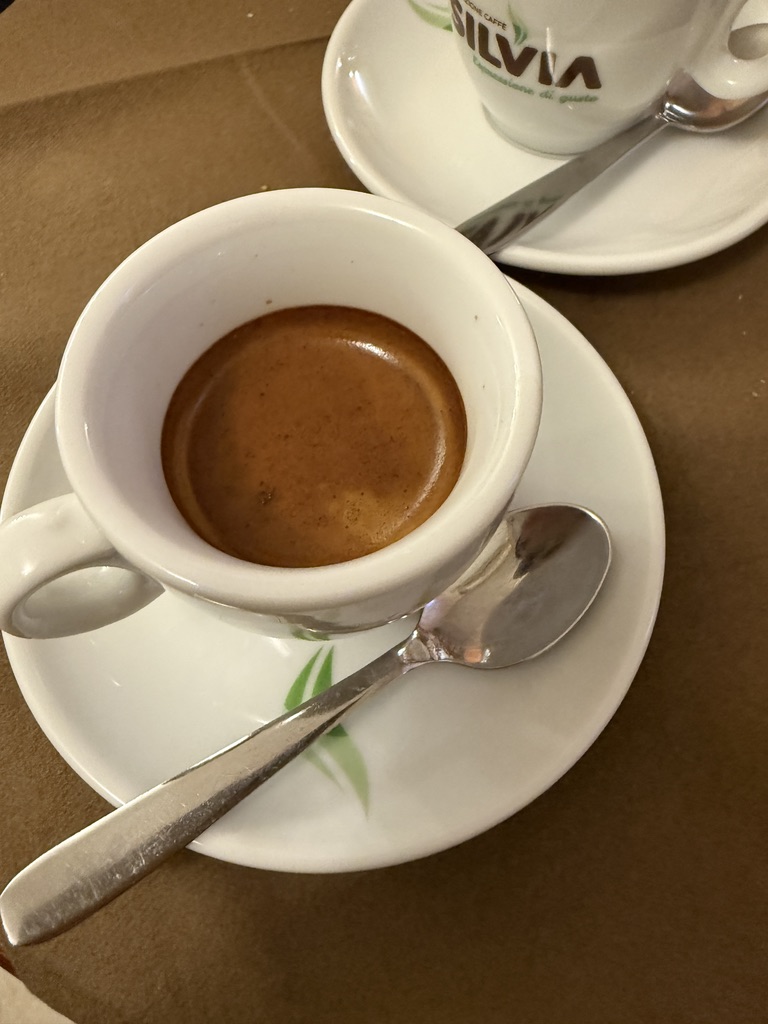
Thirty seconds of the piazza.
The church bells at noon.
The espresso machine hissing.
The birds in the courtyard.
Sound unlocks memory like nothing else.
One day you’ll play it back and be transported.
I have a recording of the bells in Lucca. Just bells. But when I play it, I’m standing in my kitchen, morning light coming through the window, coffee in hand, feeling grateful to be exactly where I am.
Sound is the most underrated memory trigger. A song can take you back to a specific moment in your life. The same is true for ambient sound.
Try this: Once a day, open your voice memo app and just record. Don’t talk. Just capture 30-60 seconds of wherever you are. The market. The café. The street at sunset.
You’ll be amazed how powerful these recordings are when you listen back.
9. End Each Day With Three Words
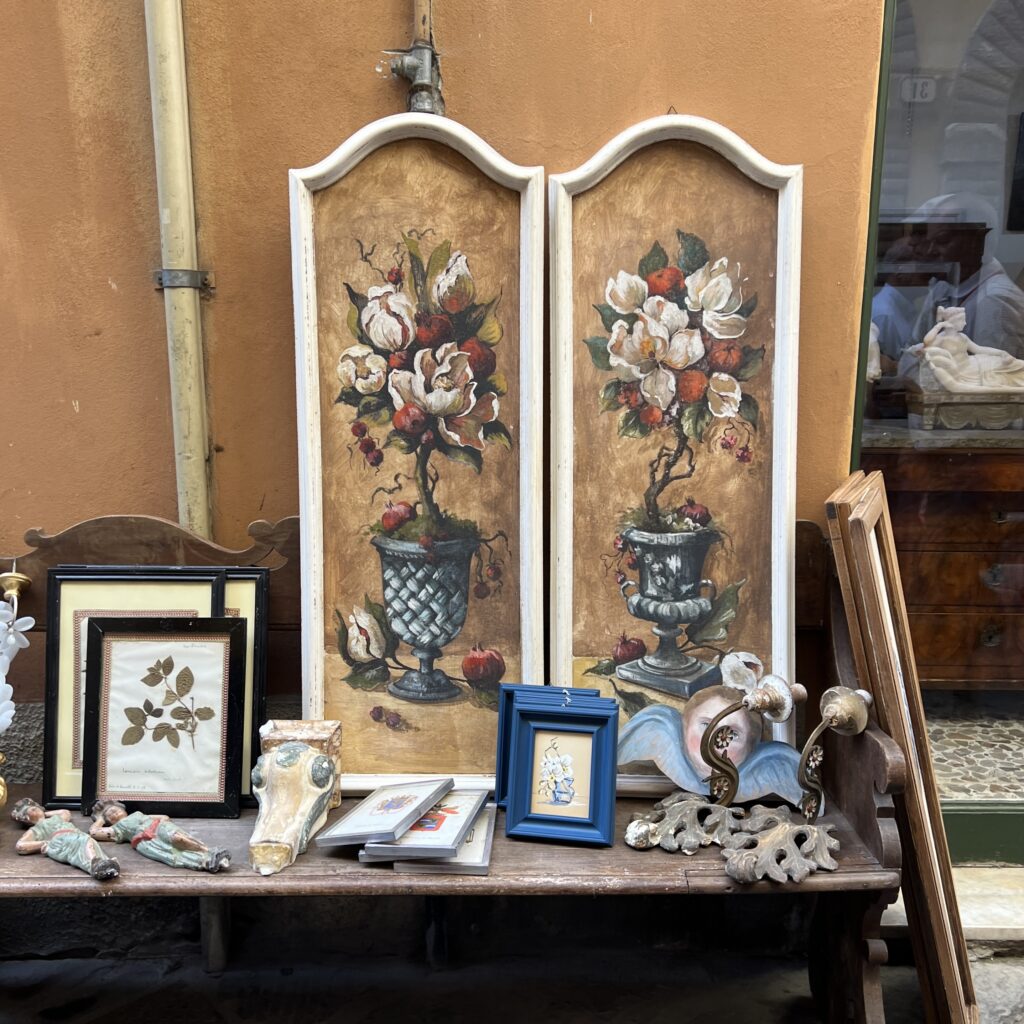
If you don’t want to do a full journal entry, write just three words that capture the feeling.
“Lemon. Bells. Lost.”
“Rain. Nonna. Laughter.”
“Tired. Grateful. Full.”
Simple. Fast. And surprisingly powerful when you read them later.
This is one of my favorite methods because it’s so easy. No pressure to write beautifully. No need to capture everything.
Just three words.
I have a note in my phone from a trip to Umbria: “Fog. Silence. Bread.”
That’s it. But when I read those three words, I’m back in that morning. Walking through Orvieto in the fog. The town so quiet I could hear my own footsteps. Stopping at a bakery for warm bread.
Three words. The whole day.
Try this: Before you go to sleep each night, open your notes app and type three words. Don’t overthink it. Just the first three that come to mind.
What This All Comes Down To
You don’t need 1,000 photos to remember a trip.
You need intention. A few details. And a way to capture what the camera can’t.
The feeling. The presence. The moment you were fully there.
That’s what stays with you.
Not the perfect shot of the Duomo. The imperfect moment when you looked up and thought, “I’m here. I’m really here.”
These eight methods aren’t rules. They’re invitations.
Try one. Try all of them. See what works for you.
But whatever you do, give yourself permission to put the camera down sometimes. To just be present. To trust that the memory will stay without needing to document every second.
Because here’s the truth: The best memories aren’t the ones you capture. They’re the ones you live.
Conclusion
After 30+ years of traveling to Italy, I’ve learned this:
The trips I remember most aren’t the ones where I took the most photos. They’re the ones where I was most present.
Where I noticed the details. Where I captured the feeling, not just the image. Where I gave myself permission to slow down and just be there.
That’s what I want for you.
Here’s your next step: Pick one method from this list. Just one. Try it on your next trip (or even in your everyday life). See how it changes what you remember.
And if you want more stories and tips about traveling slowly and intentionally, join my weekly newsletter here. I share what you won’t find in guidebooks.
Now I want to hear from you: How do you capture memories when you travel? What works for you? Drop it in the comments below—I read every one.
Alla prossima (until next time),
Amy
Related Posts:
- What is the Passeggiata in Italy?
- 101 Quotes About the Magic of Italy
- Slow Travel in Italy: How to See More by Doing Less