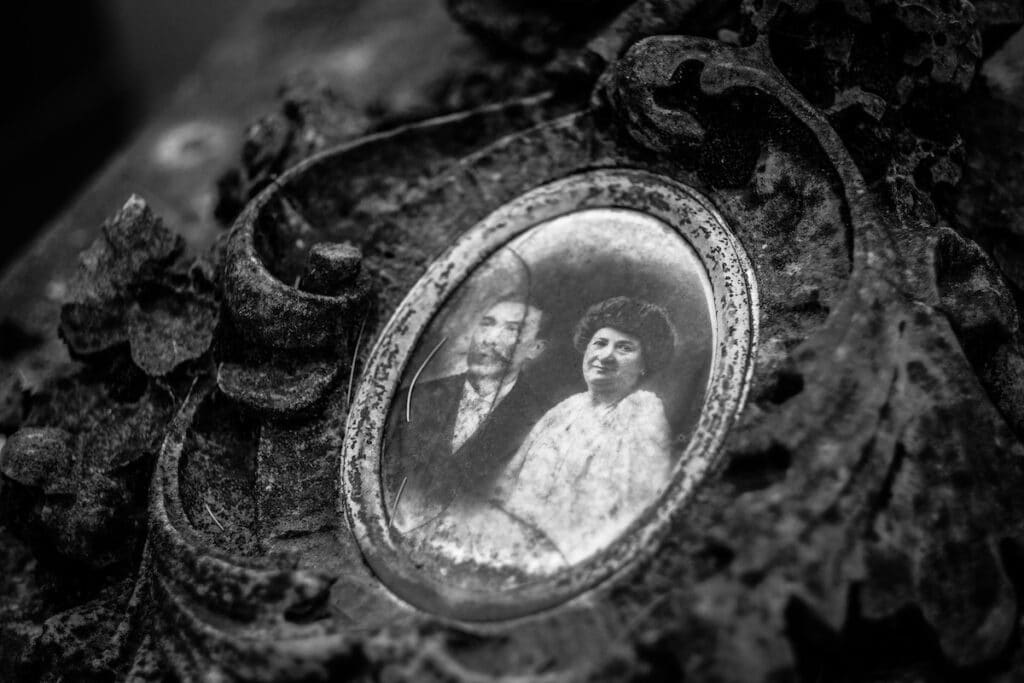
The next time your Italian family gathers, someone will tell the story.
You know the one.
The town name that’s been passed down for generations. The place your great-grandparents left behind. The village someone mentions at every reunion, every holiday, every time the family comes together.
Someone will say, “We should go there someday.”
And everyone will nod.
And the conversation will move on.
But what if someday was this year?
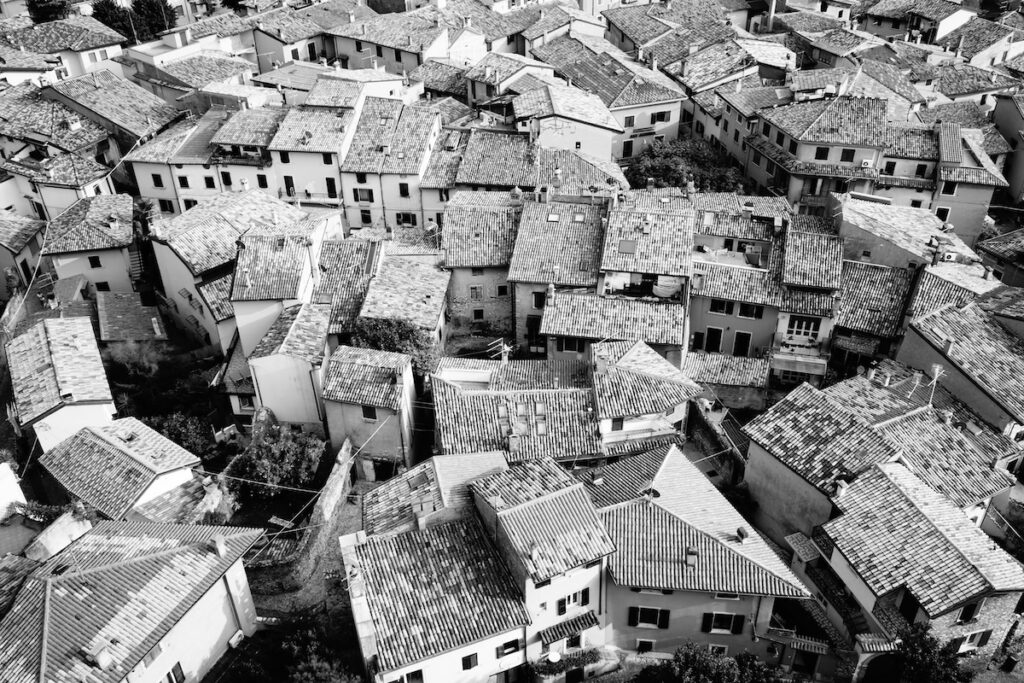
The village is still there. The church is still there. The mountains your grandfather described—still there.
And you can go.
What Is Heritage Travel to Italy?

This isn’t tourism. It’s a return.
There’s a difference between visiting a country and visiting your story.
Between standing in a beautiful church and standing in the church where your grandmother was baptized.
Between tasting incredible food and tasting the dish your great-grandfather grew up eating—made the same way, in the same village, by hands that might share your blood.
This is heritage travel.
A homecoming to a place you’ve never been.
How Heritage Travel Planning Works

I’m not a genealogist. I’m an Italy travel advisor who partners with specialists in Italy—genealogists, local historians, cultural guides—to design and coordinate these journeys.
You bring me your family’s story. I bring you the team and the plan to bring it to life.
I work with a trusted network of specialists in Italy—genealogists, local historians, cultural guides—who make heritage travel possible. Together, we curate an experience that’s completely yours—built around your family’s specific history and the regions they came from.
What You Can Discover on an Italian Heritage Trip
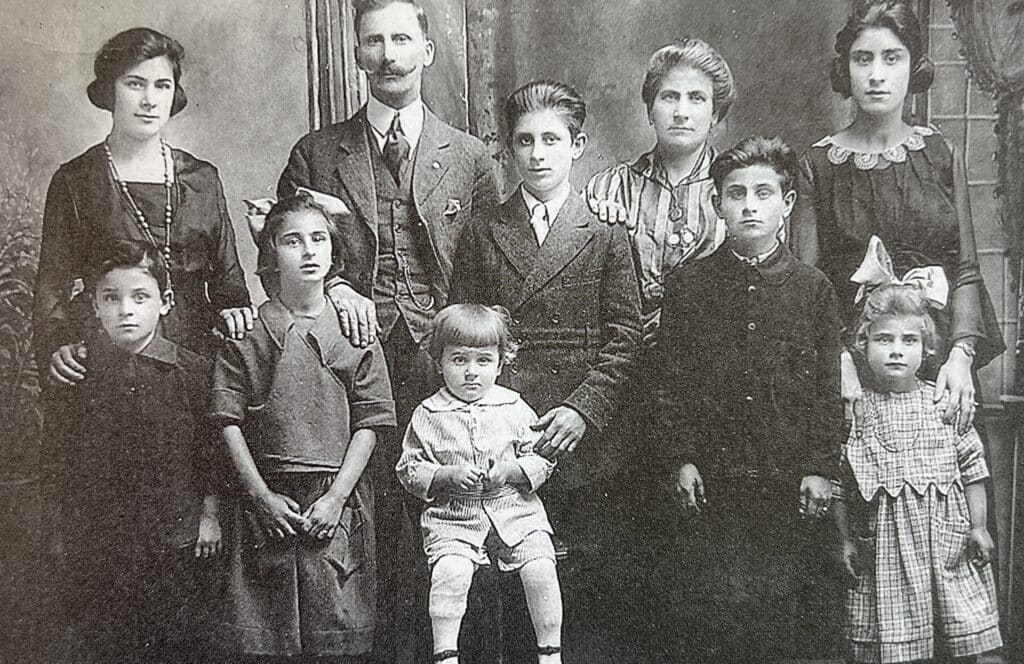
My partners in Italy have helped clients:
- Visit archives to find specific documents and records
- Arrange private tours of ancestral homes (when accessible)
- Set up meetings with distant relatives who still live in the region
- Locate and visit the cemeteries where ancestors are buried
- Trace property records and land ownership
- Connect with local historians who know your family’s story
Every trip is different because every family’s story is different.
Finding Your Family’s Records
Italian record-keeping is meticulous. Parish registries go back centuries. Town halls have birth records, marriage records, property records.
But navigating these systems requires local expertise. The archives are in Italian. The handwriting is archaic. The bureaucracy is… Italian.
Local genealogists know which town hall to visit, which priest to ask, how to read centuries-old script. I’ve watched clients find their family name in a 200-year-old baptismal registry. See their great-grandmother’s signature on a marriage certificate. Discover siblings they never knew their grandfather had.
Connecting with Place
Records tell you facts. But place tells you something deeper.
My partners in Italy can help you locate the actual house where your family lived, the church where they were baptized, the farm they worked, the piazza where they gathered.
Sometimes the house is gone. Sometimes it’s been renovated beyond recognition. But sometimes it’s exactly as described.
And even when the physical structure is gone, the place remains. The light is the same. The mountains are the same. The feeling is the same.
Meeting People
Italian families often stay in the same region for generations. The cousin who stayed when your grandfather left? His grandchildren are still there.
But it’s not just about finding relatives. It’s about meeting the people who live in your ancestral village now. The woman who runs the café. The man who tends the cemetery. The artisan who makes ceramics the way they’ve been made for three hundred years.
They can tell you that yes, your family name is still known here. That there’s a street named after your great-uncle. That people still talk about the year your grandfather’s father was mayor.
You’re not a stranger there. You’re a return.
Experiencing the Culture
Heritage travel isn’t just about the past. It’s about understanding the culture that shaped your family.
My partners can arrange cooking classes with local women who make the exact dishes your grandmother made—because they learned from the same tradition. Visits to artisan workshops where people practice the same crafts your ancestors practiced. Participation in local festivals specific to your region.
How Much Does a Heritage Trip to Italy Cost?
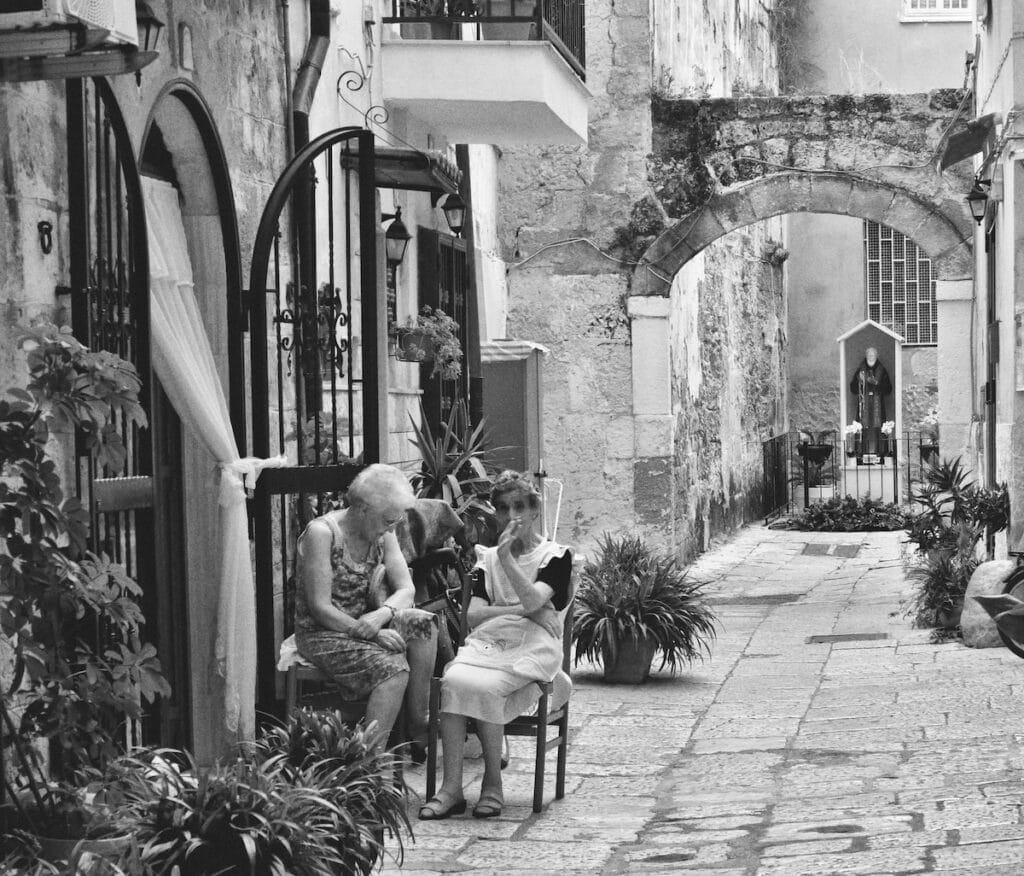
Heritage travel is a significant investment—both emotionally and financially.
Here’s what to expect:
My planning fee: $1,000
(Covers itinerary design, coordination with Italian specialists, and ongoing support)
Trip cost: Starting at $12,000 per couple for a 7-10 day trip
(Most heritage trips run higher depending on trip length, regions visited, research complexity, and experiences included)
What’s included in the trip cost:
- Genealogy research
- Accommodations in or near your ancestral regions
- Ground transportation (trains, private transfers, car rental if needed)
- Experiences (cooking classes, artisan visits, cultural activities)
- Local guides and translators as needed
What’s NOT included:
- Flights to/from Italy
- Most meals
- Travel insurance
Why heritage trips cost more:
The specialized nature of these journeys—combined with the coordination required between genealogists, local historians, and cultural guides—is why heritage travel requires a higher investment than typical Italy trips. The research alone is significant, as Italian specialists spend weeks tracing records in town halls and parish archives, deciphering centuries-old documents, and coordinating with locals on your behalf.
Is it worth it?
This isn’t a trip you take every year. It’s a trip you take once. And it becomes part of your family’s story forever.
Heritage Travel for Families and Multiple Generations
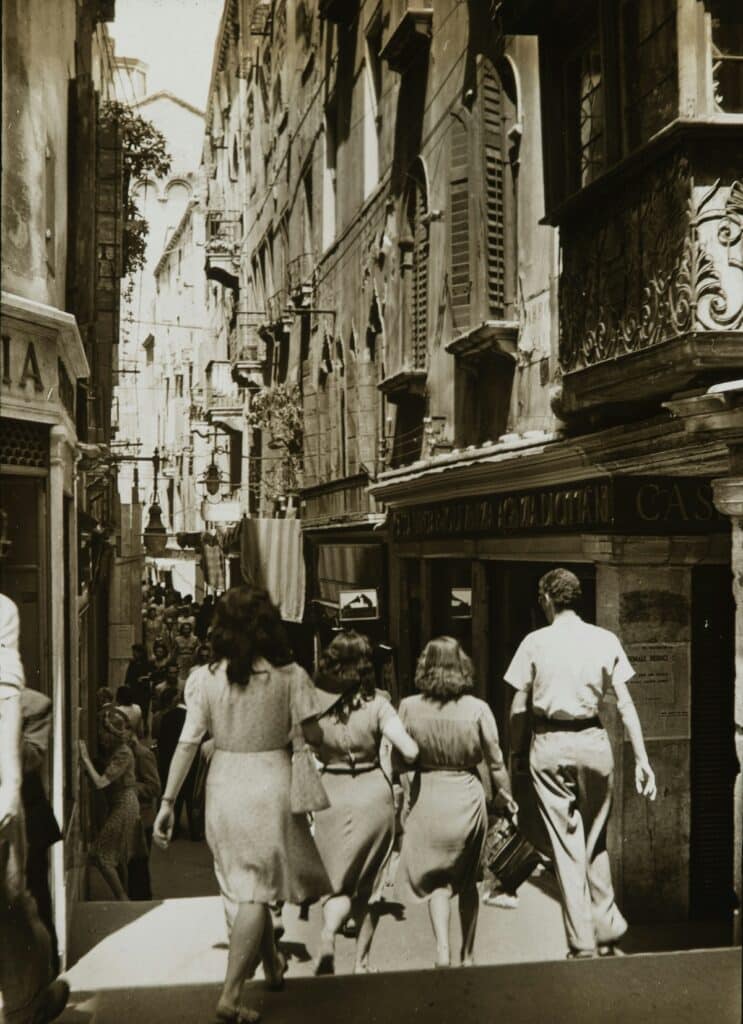
Heritage trips are especially powerful for families traveling together.
Imagine grandparents walking through their parents’ village with their grandchildren. Pointing to the church, the fountain, the view from the hilltop. Saying, “This is where we come from. This is part of who you are.”
These trips create a shared reference point. Before, the stories are abstract. “Nonna came from Italy.” After, the stories have texture. Weight. Reality.
“Nonna came from that village. The one with the stone houses and the olive groves. The one where we met her cousin’s grandson. The one where we learned to make orecchiette. That village.”
The stories become real. And they become part of the next generation’s story too.
What You Need to Plan a Heritage Trip to Italy
To make heritage travel possible, we need at least one solid starting point. That could be:
- The name of a town or village (even if you can’t pronounce it correctly)
- The region your family came from
- A family surname and approximate area
- Birth, marriage, or death certificates
- Immigration documents with a place of origin
- A photograph with identifying details (a church, a building, a street sign)
- Stories passed down that include specific place names
What won’t work: “My family is Italian” with no other details. The research requires at least one concrete piece of information to begin tracing records.
Frequently Asked Questions
“My family came from a tiny village no one’s heard of. Is that a problem?”
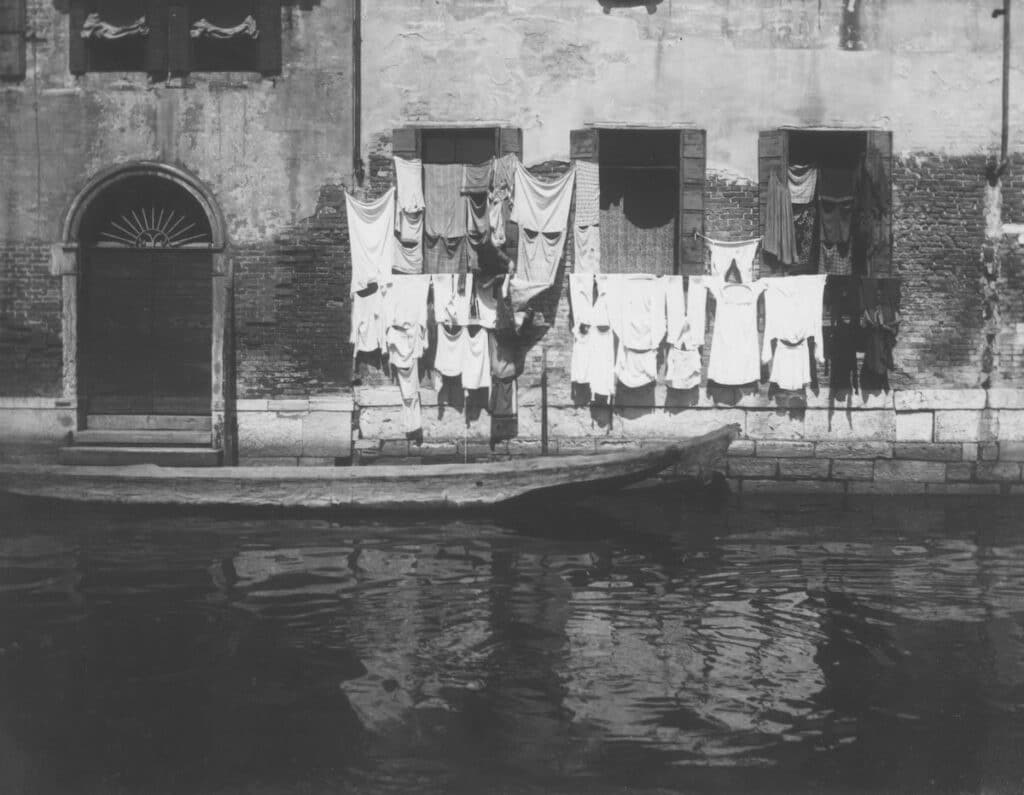
Not at all. Small villages where traditions are still alive and someone might actually remember your family name are often the most meaningful trips.
“Can we combine this with ‘regular’ Italy sightseeing?”
Absolutely. Many families design their heritage trip as part of a longer Italy journey. We can extend your itinerary to include other regions that match your travel style and interests. The heritage portion becomes the heart of your trip, and we build the rest around what would be most meaningful to you.
We can extend your itinerary to include other regions that match your travel style and interests—whether that’s the coastal beauty of Puglia, the hill towns of Tuscany, or the hidden gems of Umbria.
“How long does a heritage trip take?”
It depends on what you’re hoping to discover and how many regions you’re exploring. Most heritage trips are 7-14 days. Some people spend a full week in one small village. Others visit multiple locations.
“What if we can’t find anything?”
My partners are experts at navigating Italian record-keeping systems. That said, sometimes records are lost or incomplete. But even when we can’t find specific documents, the journey itself is meaningful. Standing in the region your family came from. Understanding the landscape. Experiencing the culture. That has value even without a paper trail.
Is Heritage Travel Right for You?
This journey is perfect if:
- You want to create a legacy experience for your family
- You’re planning a multigenerational trip and want it to mean something
- You have fragments of family history but don’t know what to do with them
- You’re ready to invest in an experience that goes deeper than typical tourism
Book Your Heritage Travel Consultation
If this is calling to you, here’s what happens next:
Book a 30-minute introductory call. We’ll talk about what you know about your Italian heritage, what you’re hoping to discover, and whether this type of journey is right for you. There’s no obligation—just a conversation to see if we’re a good fit.
This call is for travelers who are serious about planning a heritage trip in the next 6-12 months and are ready to invest in making it meaningful.

Not Just Memories. Legacy.
Imagine the next time your family gathers.
Someone mentions Italy. But this time, you have stories.
Real ones. New ones.
You have photos of the church. The town square. The house your grandfather described.
You have the recipe you learned from the woman in the village—the one who said, “Oh yes, I remember your family.”
You have the moment your father stood in the cemetery and found his grandmother’s grave. The moment your daughter realized she has her great-great-grandmother’s eyes. The moment everything clicked.
That’s what a heritage trip gives you.
Not just memories. Legacy.
Something to pass down. Something that becomes part of your family’s ongoing story.
A presto,
Amy